
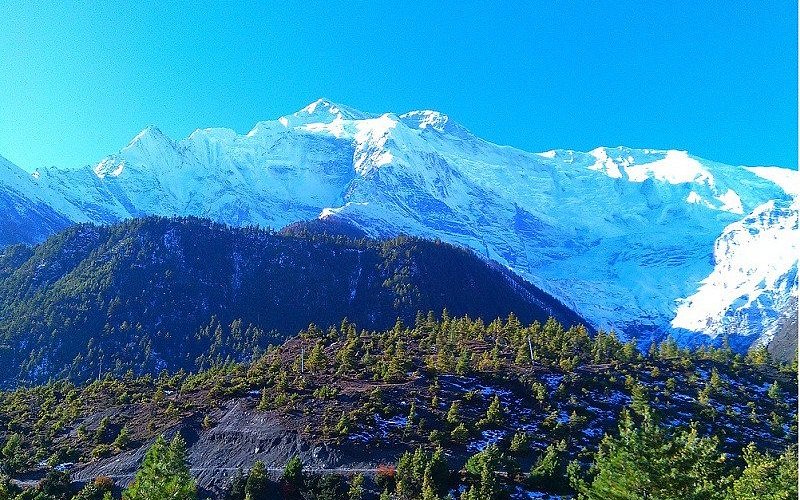
Nepal is one of those rare countries that completely defies every expectation you carry into it. You arrive expecting mountains — and you get so much more: spiritual silence at 4,000 metres, Sherpa families sharing butter tea in smoke-warmed kitchens, rhododendron forests exploding pink every April, and night skies so clear the Milky Way looks painted by hand.
And somewhere inside this extraordinary country, tucked between the world's highest peaks, lies Avarest — a destination that seasoned travellers call Nepal's best-kept Himalayan secret.
This guide strips away the tourist-brochure language and gives you everything you actually need to plan a meaningful, affordable, and unforgettable Nepal tour — whether you are a first-time visitor or returning for your third Himalayan adventure.
Quick Facts Before You Go
|
Fact |
Detail |
|
🏔 Peaks above 8,000m |
8 of the world's 14 |
|
👥 Tourist arrivals (2026) |
1.2 million+ expected |
|
📍 Namche Bazaar elevation |
3,440 m |
|
💰 Mid-range daily budget |
$35–60 USD per person |
|
🛂 Visa |
On Arrival for most nationalities |
What Is Avarest? Nepal's Hidden Himalayan Gem Explained
The name Avarest is not found on every map — and that is precisely the point. Inspired by the legacy of Everest and the untouched valleys that surround it, Avarest is the traveller's shorthand for the pristine, crowd-free zone nestled deep in the Khumbu and Solukhumbu districts of northeastern Nepal.
Think of it as the Everest region before commercialism arrived — high-altitude villages, still-functioning ancient trade routes, glacial lakes with zero Instagram queues, and a pace of life unchanged for centuries.
Unlike Everest Base Camp — which now sees over 35,000 trekkers per season — the surrounding Avarest zone trails such as Pikey Peak, Khumbila Circuit, and Tashi Labtsa Pass receive fewer than 2,000 visitors per year combined. The trails are maintained by local Sherpa cooperatives rather than government agencies, meaning every permit fee goes directly back into the villages.
The area sits at elevations between 2,800m and 5,500m, making it accessible to fit beginners with proper acclimatisation, yet rewarding enough to satisfy experienced trekkers chasing genuine wilderness.
Unique Insight: Sir Edmund Hillary reportedly preferred the view of Everest from Pikey Peak over any other vantage point — including Base Camp itself. Yet fewer than 800 trekkers reach Pikey Peak per year.
Why Visit Nepal in 2026 — What Makes This Year Special
Visa on Arrival Made Easy
Most nationalities receive a 15, 30, or 90-day visa on arrival at Tribhuvan International Airport. No pre-application is needed. Indian citizens do not require a visa at all.
Upgraded Infrastructure
2026 brings improved teahouse lodges along major routes, a newly expanded Lukla runway, and better satellite internet reaching higher altitudes than before.
The 'Visit Green Nepal 2026' Initiative
Nepal's government launched an eco-tourism push with community-led trail programmes designed to send tourism revenue directly to mountain villages rather than Kathmandu agencies.
Exceptional Value for Money
Your dollar, euro, or pound goes three to four times further in Nepal than in comparable Himalayan destinations like Bhutan, which charges a mandatory $100+ daily fee for tourists.
Best Time to Visit Nepal — Season by Season Breakdown
Timing your Nepal visit correctly is the difference between cerulean skies over Ama Dablam and a week of cloud-swallowed nothingness.
Spring — March to May ★ BEST
Warm temperatures, trails lined with blooming rhododendrons, and excellent visibility make spring the most popular and most rewarding season. Book teahouses at least 3 months in advance for April departures.
Monsoon — June to August (Difficult for Trekking)
Heavy rainfall makes trails slippery and leeches common below 3,000m. However, the Khumbu's rain shadow effect keeps higher altitudes relatively drier. Prices drop significantly and crowds vanish — good for budget travellers willing to accept some inconvenience.
Autumn — September to November ★ BEST
The post-monsoon season delivers the clearest skies of the year, cool comfortable temperatures (5–18°C at altitude), and the festive energy of Dashain and Tihar festivals throughout October and November.
Winter — December to February (Good Below 3,500m)
Snow closes high passes and makes conditions harsh above 4,000m. However, lower-altitude treks around Namche, Thame Valley, and Phakding are perfectly enjoyable and dramatically quieter. Accommodation rates drop by 30–40%.
Pro Tip: October is Nepal's golden month. Post-monsoon skies are at their clearest, temperatures are perfect, and the Dashain festival adds colour and life to every village along the trail. If visiting the Avarest region specifically, aim for the first two weeks of October when trails are drying but not yet congested.
Hidden Gems Around Avarest — Off the Beaten Path in Nepal
The following destinations are criminally under-visited. They require no technical mountaineering skills, carry real cultural weight, and offer photographic experiences that travel photographers actively seek out for their exclusivity.
01 Pikey Peak (4,065m) — The Everest Viewpoint Without the Crowds
Difficulty: Easy to Moderate Duration: 5–7 Days Max Altitude: 4,065m
Arguably the finest unobstructed panorama of Everest, Makalu, Lhotse, and Cho Oyu — all from a single summit that sees fewer than 800 trekkers a year. A five to seven day loop from Dhap village is accessible to confident beginners. The sunrise from Pikey Peak is widely considered one of the most spectacular in the entire Himalayan range.
02 Dudh Kunda (4,560m) — The Sacred Milk Lake
Difficulty: Moderate Duration: 8–10 Days Max Altitude: 4,560m
A high-altitude glacial lake considered sacred to both Hindus and Buddhists. The annual Janai Purnima festival in late July or August draws pilgrims from across Nepal. The name 'Dudh Kunda' means Milk Pond, referring to the milky turquoise colour of the glacial water — one of the most visually striking cultural spectacles in the Himalayan calendar.
03 Bung Village — Living Rai Culture
Difficulty: Easy Duration: 2–3 Days Max Altitude: 1,960m
The Rai people of Bung have maintained their animist Mundhum traditions for thousands of years. Their Sakela dance, spring brewing of chang (millet beer), and intricate bamboo weaving represent a genuine cultural encounter — not a curated tourist performance. The village has two simple guesthouses and no mobile signal, which is exactly the point.
04 Tashi Labtsa Pass (5,755m) — The Hidden High Route
Difficulty: Advanced Duration: 14–18 Days Max Altitude: 5,755m
A technical glacier crossing linking the Rolwaling Valley to Khumbu — one of the oldest trans-Himalayan trade routes still passable today. Only suitable for experienced trekkers with a certified high-altitude guide. From the top, five 8,000m peaks are visible simultaneously.
05 Lawudo Monastery (3,920m) — The Cave Gompa
Difficulty: Easy (detour) Duration: 2 Hours from EBC trail Max Altitude: 3,920m
A remote cave monastery above Namche where the famous Lama Zopa Rinpoche was born. It does not appear on any standard trekking itinerary. A two-hour detour from the main Everest trail leads to a place of extraordinary stillness and spiritual authenticity. Most EBC trekkers walk within an hour of it without ever knowing it exists.
Top Treks for Every Level — At a Glance
|
Trek |
Duration |
Max Alt. |
Difficulty |
Crowd Level |
|
Everest View Trek |
5 Days |
3,780m |
Beginner |
Moderate |
|
Pikey Peak Loop |
5–7 Days |
4,065m |
Easy–Moderate |
Very Low |
|
Gokyo Lakes Circuit |
12–14 Days |
4,700m+ |
Intermediate |
Low–Moderate |
|
Three Passes Trek |
18–21 Days |
5,535m |
Experienced |
Moderate |
|
Tashi Labtsa Pass |
14–18 Days |
5,755m |
Advanced |
Very Low |
Key Nepal Trekking Tips for Beginners
- Gain no more than 300–500m of sleeping altitude per day above 3,000m
- Take a full rest day in Namche Bazaar on day 3 and another in Dingboche on day 7
- Drink 3–4 litres of water every single day at altitude
- Diamox (acetazolamide) is available in Namche pharmacies — consult your doctor before your trip
- Never ascend if you have a headache that does not resolve with rest and water
- Begin fitness training at least 3 months before your trip with weighted hikes and stair intervals
Monastery & Culture Trail — Nepal's Spiritual Heartbeat
The Avarest region is framed by some of the most architecturally stunning and spiritually active Tibetan Buddhist monasteries in the world. These are not museums. They are functioning communities with resident monks, daily prayer ceremonies, and centuries-old living traditions.
Tengboche Monastery (3,867m)
The most important gompa in the Khumbu. Founded in 1916 and rebuilt after a devastating fire in 1989. The Mani Rimdu festival in November transforms the monastery courtyard into a theatre of masked dances and sacred ritual. Morning puja at 6am is open to respectful visitors.
Thame Monastery (3,800m)
Birthplace of legendary Sherpa mountaineer Ang Rita, who summited Everest ten times without supplemental oxygen. The monastery sits dramatically above the Thame Valley — spectacularly photogenic and rarely visited despite being just four hours' walk from Namche Bazaar.
Lawudo Monastery (3,920m)
This remote cave monastery above Namche was the birthplace of Lama Zopa Rinpoche. Not on any standard itinerary. A two-hour detour from the Everest trail reveals a place of extraordinary quiet.
Phugmoche Monastery
One of the very few entirely female-run monasteries in Nepal's Khumbu region. Community-run tourism here directly funds education programmes for local girls. Your entrance fee goes further here than almost anywhere else in the Himalayas.
Cultural Etiquette — What Every Visitor Must Know
- Always walk clockwise around mani walls, stupas, and chortens — this is non-negotiable
- Remove your shoes before entering any prayer hall
- Always ask permission before photographing monks or religious ceremonies
- Dress conservatively — covered shoulders and knees at all religious sites
- Never point your feet toward an altar or directly at another person
- Accept butter tea when offered by a Sherpa host — refusing is considered impolite
Nepal Budget Travel Breakdown — 2026
|
Expense |
Cost |
|
Budget teahouse (shared) |
$5–10 / night |
|
Mid-range teahouse (private) |
$15–30 / night |
|
Full day meals (dal bhat x2) |
$8–15 / day |
|
Sagarmatha National Park Permit |
$30 (one-time) |
|
TIMS Trekking Card |
$20 (one-time) |
|
Licensed guide |
$25–35 / day |
|
Porter (up to 20 kg) |
$18–25 / day |
|
Solo budget trekker total |
$35–50 / day |
Money-Saving Tip: Always order dal bhat. In teahouses, it almost always comes with free refills — making it the highest-calorie-per-dollar meal on any Himalayan trail. Trekking guides genuinely call it 'Nepali rocket fuel.'
Currency Note: As of May 2026, 1 USD = approximately 133 Nepali Rupees (NPR). ATMs are available in Namche Bazaar but stop completely above that point. Withdraw more cash than you think you need before heading higher up the trail.
How to Get to Avarest — Complete Route Guide
Step 1 — Fly into Kathmandu (KTM)
Tribhuvan International Airport is Nepal's main gateway. Direct flights operate from Delhi, Dubai, Doha, Bangkok, Kuala Lumpur, and several European cities. Budget airlines including IndiGo and SpiceJet connect major Indian cities from under $60 one-way.
Step 2 — Kathmandu to Lukla
The famous 30-minute mountain flight to Lukla Airport drops you directly at the Khumbu trailhead at 2,860m. Important 2026 update: many Lukla-bound flights now depart from Ramechhap Airport, three hours by road from Kathmandu, to ease congestion at Tribhuvan. Always confirm your departure airport when booking. Book the earliest available departure — mountain flights are cancelled by cloud cover by mid-morning on most days. Tara Air and Summit Air are the main operators.
Step 3 — Lukla to Namche Bazaar (2 Days Walking)
The trail from Lukla to Namche covers 35km with 1,000m of total ascent and crosses five dramatic suspension bridges over the Dudh Koshi river. This two-day approach is not just beautiful — it is a critical altitude acclimatisation period. Do not rush this section no matter how fit you feel.
What to Eat in Nepal — Himalayan Food Guide
Dal Bhat — Nepal's National Dish
Lentil soup, steamed rice, seasonal vegetable curry, and achaar pickle. Eaten twice daily by most Nepalis and the best fuel for a day's trekking. Order it everywhere. Always.
Momos
Tibetan-style dumplings, steamed or fried, filled with vegetables, chicken, yak meat, or cheese. The go-to snack in Namche Bazaar and Kathmandu's Thamel district. Served with fiery achar dipping sauce.
Butter Tea (Po Cha)
Tibetan salted butter churned with strong tea. An acquired taste that provides genuine warmth and calories at altitude. Sherpa households offer it as a gesture of hospitality. Accept it graciously.
Sherpa Stew
A thick nourishing broth of potatoes, vegetables, and sometimes yak meat. Found only in Khumbu teahouses. An absolute essential on cold evenings above 4,000m.
Yak Cheese
Hard, salty, intensely flavoured cheese made from yak milk. Available at Namche market and higher teahouses. Excellent high-protein trail snack that pairs surprisingly well with trekking crackers.
Chang (Millet Beer)
Traditionally brewed fermented millet beer. Milky, mildly alcoholic, and genuinely warming. Brewed by Sherpa and Rai communities — the teahouse-made version is incomparable to anything bottled.
Essential Travel Tips — First-Timer Checklist
- Get travel insurance with high-altitude helicopter evacuation cover. Rescue from the Khumbu costs $4,000–8,000 USD without it. World Nomads and SafetyWing both explicitly cover Nepal trekking.
- Download offline maps before leaving Kathmandu. Maps.me and AllTrails both have detailed Khumbu trail data. Cell signal disappears completely above Phakding.
- Carry Nepali Rupees in cash. ATMs stop at Namche Bazaar. Above that, cards and digital payments do not exist.
- Hire a local guide, not a Kathmandu agency guide. Guides sourced from Namche or Lukla know trail conditions, teahouse owners, and weather patterns personally.
- Treat all water. Even crystal-clear Himalayan streams carry giardia. Use iodine tablets or a UV SteriPen.
- Spend two nights in Kathmandu before flying to Lukla — even one day at Boudhanath (1,400m) begins adjusting your body for altitude.
- Pack for layers, not bulk. Below 3,000m it can be 18°C. Above 5,000m it can reach -20°C at night.
- Vaccinations recommended: Hepatitis A, Hepatitis B, Typhoid, Tetanus, and Rabies. Consult your doctor about Diamox for altitude sickness prevention.
Frequently Asked Questions
Q: Do I need a visa to visit Nepal in 2026?
A: Most nationalities can get a Visa on Arrival at Tribhuvan International Airport. A 15-day visa costs $30 USD, a 30-day visa costs $50, and a 90-day visa costs $125. Indian citizens do not require a visa.
Q: Is Nepal safe for solo female travellers?
A: Nepal is generally considered very safe for solo female travellers, particularly on the main trekking routes. Teahouse owners and Sherpa guides are experienced with solo female trekkers. Share your itinerary with someone, use a reputable guide for remote trails, and consider joining a group trek on your first visit.
Q: Do I need a guide or permit to trek in the Khumbu region?
A: Yes — a Sagarmatha National Park Entry Permit ($30) and TIMS card ($20) are both required. These are obtainable in Kathmandu at the Nepal Tourism Board office. A guide is not legally mandatory for the main EBC route but is strongly recommended for all off-route and remote trails.
Q: How fit do I need to be for the Avarest region treks?
A: For entry-level routes like Pikey Peak or the Everest View Trek, solid general fitness — able to hike 5–6 hours daily with elevation gain — is sufficient. The Three Passes Trek requires prior high-altitude trekking experience. Begin training three months in advance with weighted hikes and cardiovascular intervals.
Q: Can I use credit cards in Nepal?
A: Cards work in Kathmandu, Pokhara, and Namche Bazaar. Above Namche, you will need cash only. ATMs in Namche occasionally run out. Always withdraw significantly more than you think you will need before heading up the trail. As of May 2026, 1 USD = approximately 133 NPR.
Q: What vaccinations do I need for Nepal?
A: Recommended vaccinations include Hepatitis A, Hepatitis B, Typhoid, Tetanus and Diphtheria, and Rabies for outdoor activities. High-altitude trekking areas carry no malaria risk, but lowland areas such as Chitwan do. Discuss Diamox for altitude sickness with your GP at least one month before travel.
Q: What is the difference between Avarest and Everest Base Camp?
A: Everest Base Camp is the well-known commercial trekking destination receiving 35,000+ visitors per season. The Avarest zone refers to the wider, less-visited network of trails, peaks, and villages surrounding the Khumbu and Solukhumbu districts — offering comparable or superior views and experiences with a fraction of the crowds and cost.
The Bottom Line — Why Avarest Belongs on Your 2026 Travel List
Nepal does not need a sales pitch. The Himalayas speak for themselves. But Avarest — this constellation of forgotten trails, sacred lakes, ancient monasteries, and Sherpa villages operating entirely outside the tourist economy — deserves to be spoken about loudly.
It offers the thing that has become genuinely rare in modern travel: the feeling of being somewhere that has not been designed for you. Where the valley is quiet because it is actually quiet. Where the monastery is ancient because nobody has renovated it for visitors. Where the view is extraordinary because you earned it.
Go before everyone else finds out.
Plan Your Trip: Create your personalised Nepal itinerary with TripZip's AI trip planner at tripzip.ai/create-plan